Recently, the halls of Templer Park International School Rawang (TPIS) came alive with a burst of red, gold, rhythm, and laughter as we celebrated Chinese New Year in the most joyful way possible!
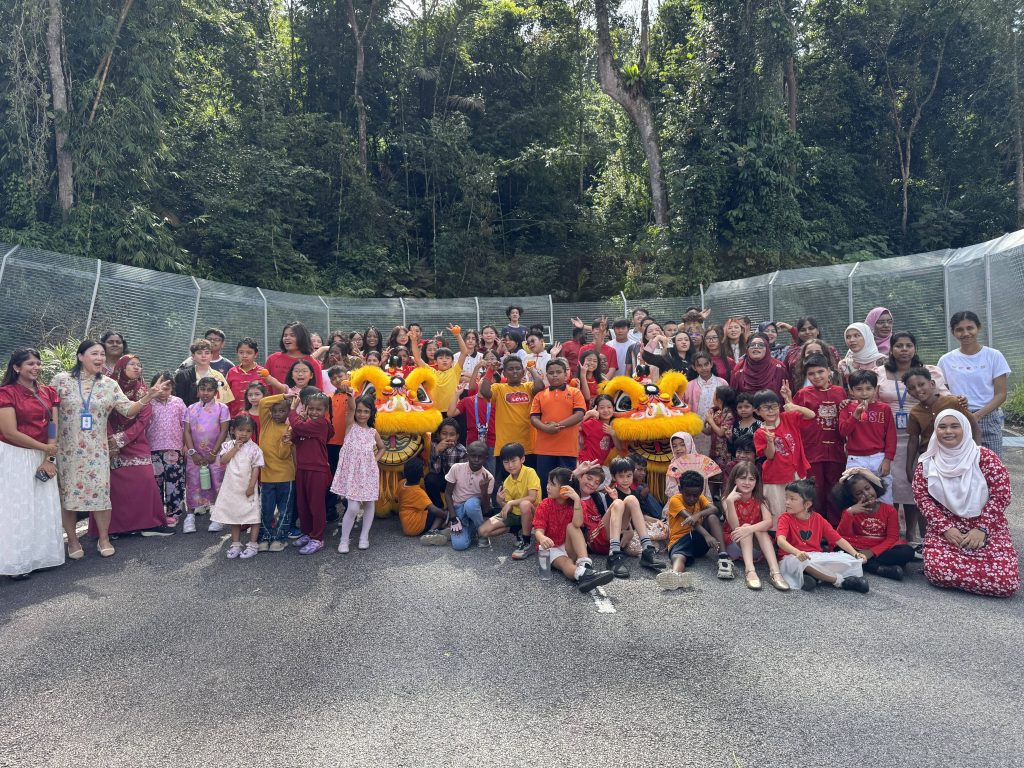
From the early morning, the festive spirit could be felt across campus here in Rawang, Selangor. Students arrived in beautiful traditional attire—cheongsams, samfus, and vibrant red outfits symbolising luck and prosperity. The excitement was contagious (even the teachers were secretly competing for “best dressed”).
The Roar of the Lion 🦁
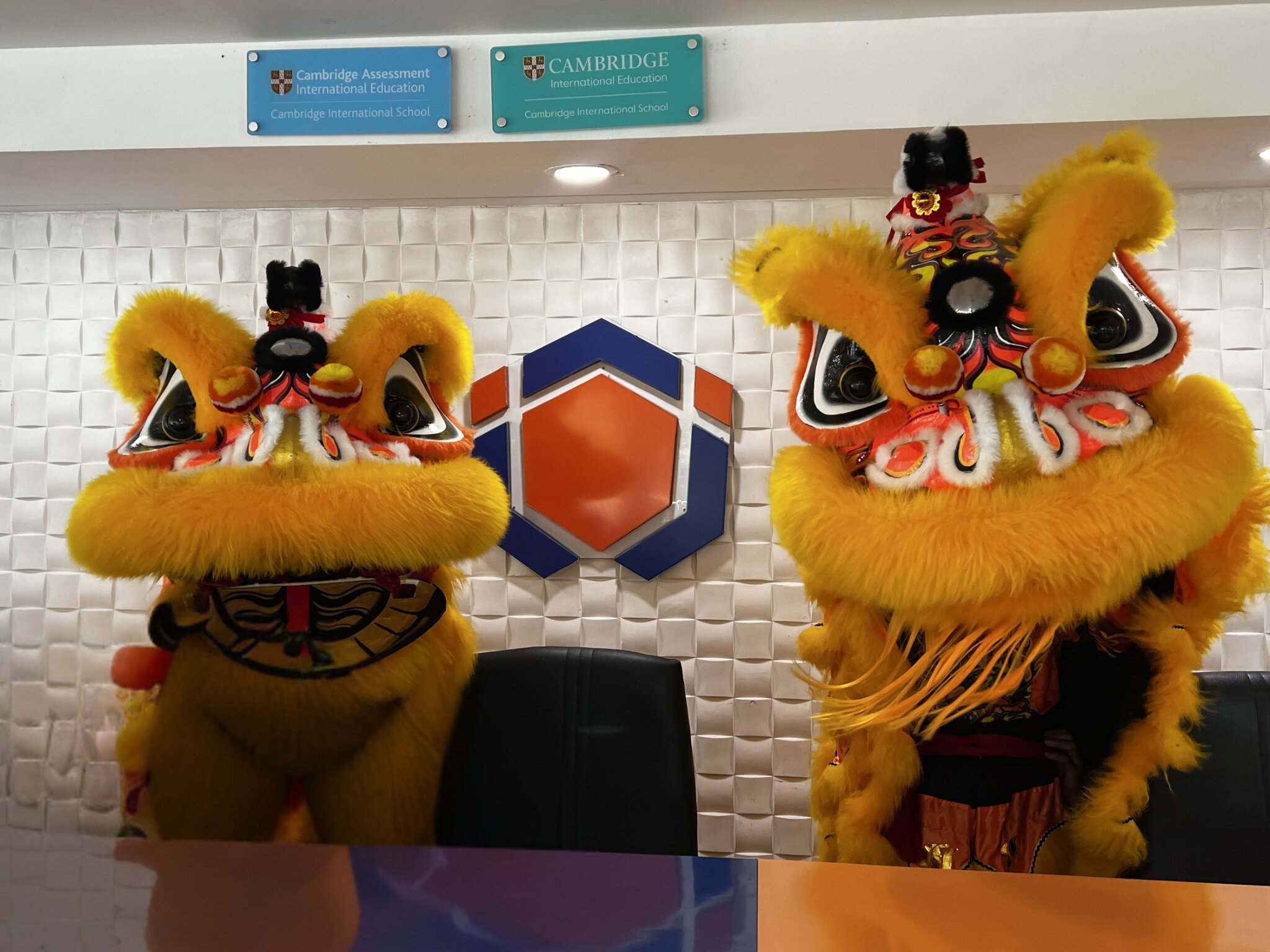
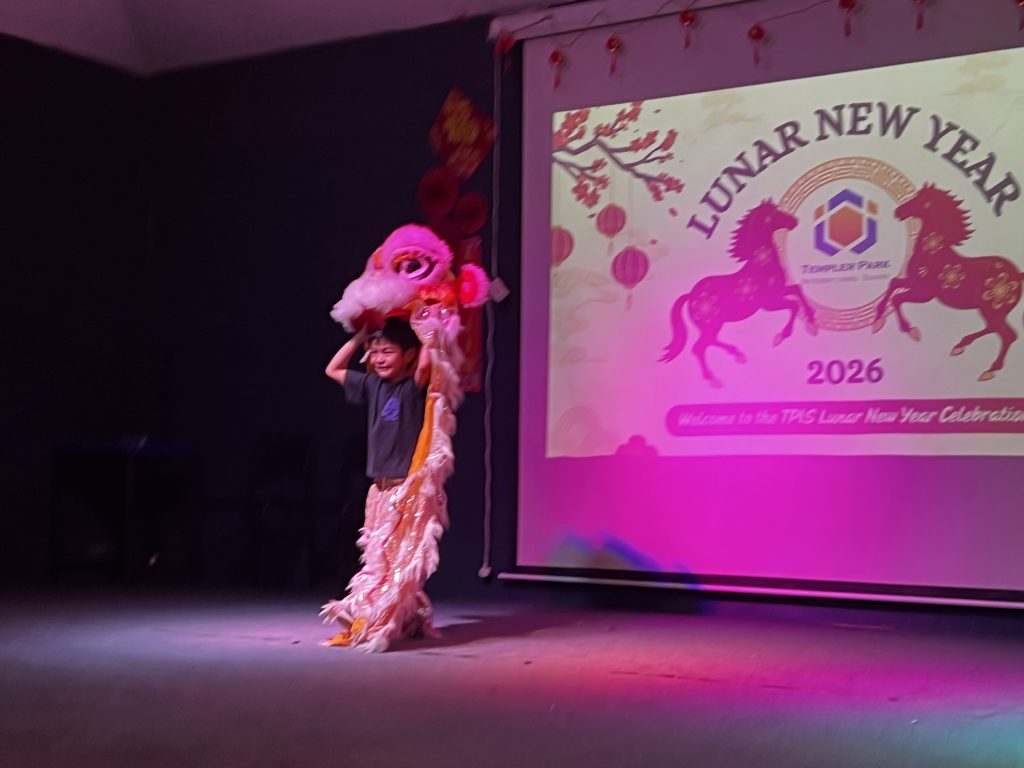
The highlight of the day? An electrifying Lion Dance performance! As the drums thundered and cymbals clashed, the lion leapt and swayed through the crowd, bringing blessings of good fortune for the year ahead. Students watched in awe as the performers demonstrated incredible coordination, strength, and artistry. According to tradition, the lion dance is believed to chase away negative energy and invite prosperity—judging by the cheers, we’re expecting a very lucky year at TPIS!
Students Take the Stage
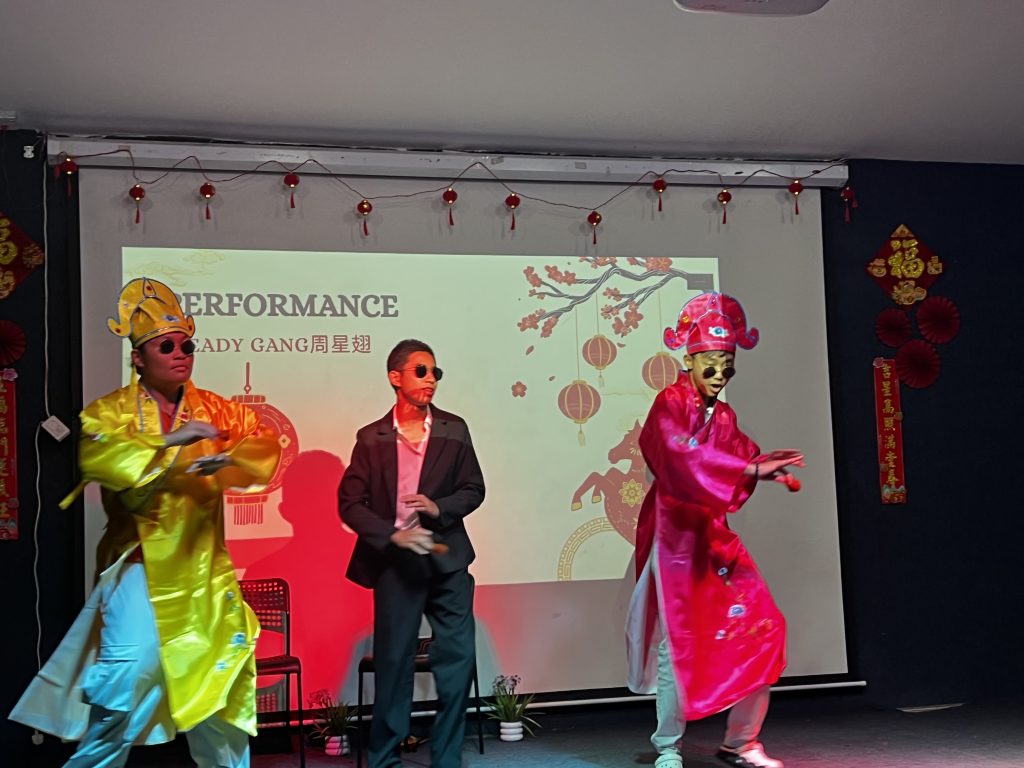
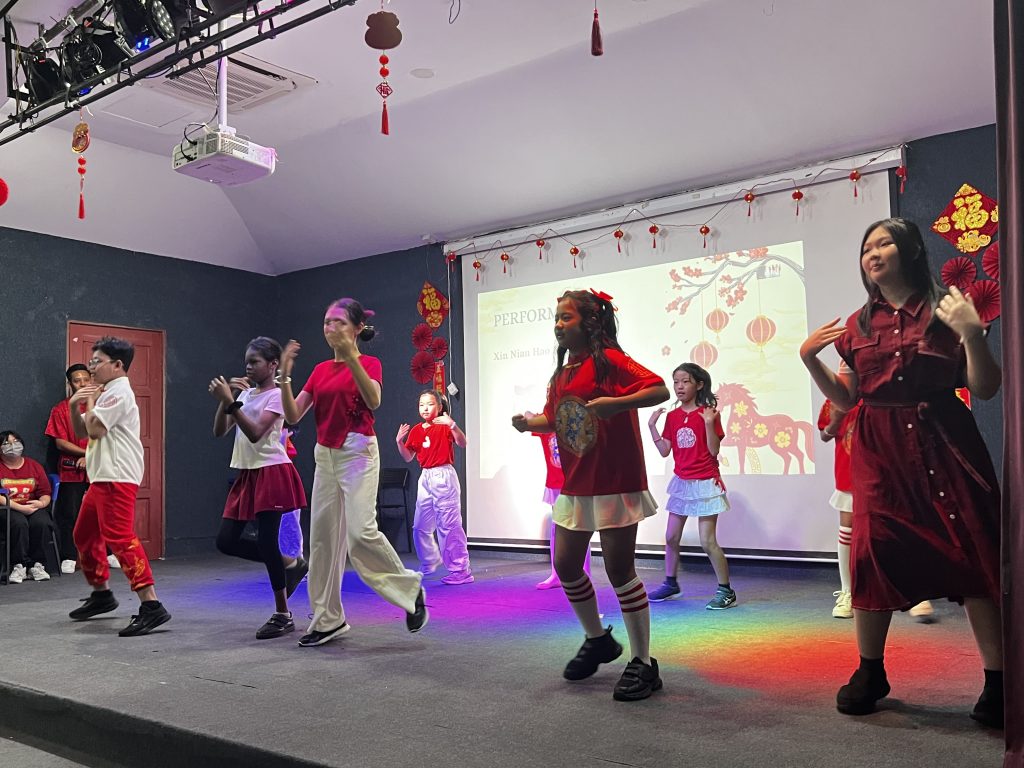
Our talented students also delivered wonderful performances, from energetic cultural dances to musical presentations that celebrated unity and diversity. What made it extra special was seeing students from different backgrounds coming together to honour a tradition that is such an important part of Malaysian culture. It was more than just a show—it was a celebration of harmony, respect, and shared joy.
Fun & Festive Activities
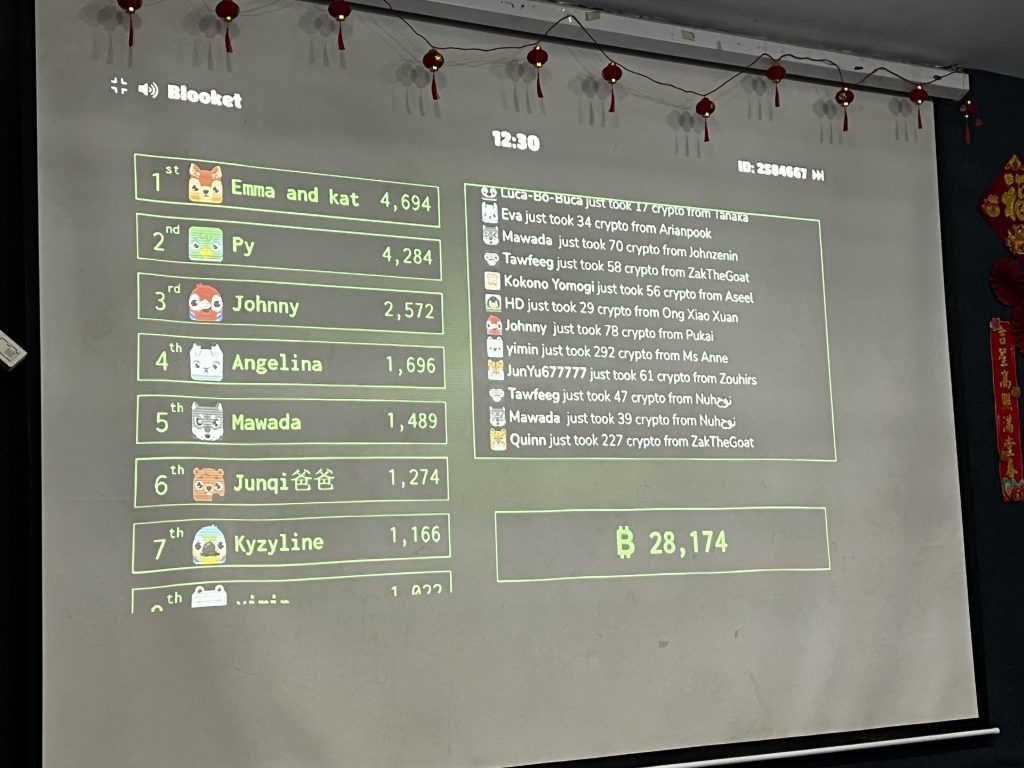
The celebration continued with hands-on activities that kept everyone engaged. Students tried their hand at calligraphy, festive crafts, and traditional games. Laughter echoed across the school as friendships grew stronger over simple but meaningful cultural experiences. It was learning beyond textbooks—immersive, joyful, and unforgettable.
The History Behind Chinese New Year
Chinese New Year, also known as Lunar New Year or the Spring Festival, originated in ancient China over 3,000 years ago. It began as a festival marking the end of winter and the beginning of spring—an important time for agricultural communities hoping for a good harvest.
One of the most famous legends associated with the celebration is the story of Nian, a mythical creature believed to terrorise villages at the start of each year. According to legend, villagers discovered that Nian was afraid of loud noises, bright lights, and the colour red. To protect themselves, they decorated their homes in red, lit firecrackers, and created loud celebrations. Over time, these protective rituals evolved into the joyful traditions we see today—lion dances, fireworks, red lanterns, and red envelopes symbolising good luck.
The festival follows the lunar calendar, which is why the date changes each year. Each year is also associated with one of the 12 zodiac animals, adding another layer of meaning and personality to the celebration.
In multicultural countries like Malaysia, Chinese New Year is not only a cultural festival but a national celebration of unity. Open houses, festive meals, and family reunions emphasise values of gratitude, renewal, and togetherness.
At TPIS, our celebration was more than just a festive event—it was a reminder that diversity is our strength. Through music, movement, storytelling, and shared laughter, our students didn’t just learn about Chinese New Year—they experienced it.
And if the lion’s blessing is anything to go by, it’s going to be a fantastic year ahead. 🧧