
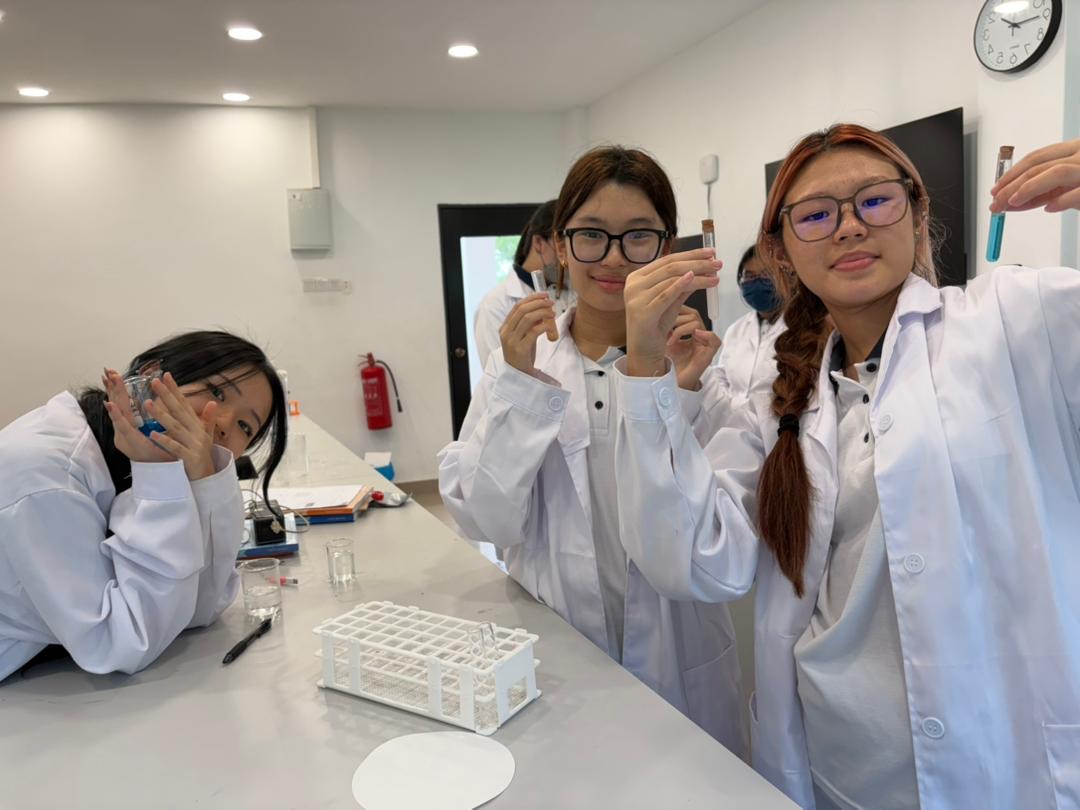
Recently, our IGCSE students at Templer Park International School Rawang (TPIS) stepped into the laboratory to explore the fascinating world of enzymes — the tiny biological helpers responsible for many processes in both nature and our everyday lives.
This hands-on science investigation focused on Pectinase, an enzyme commonly used in the food industry to break down plant materials and improve juice extraction.
🍊 Turning Science into Real-Life Discovery
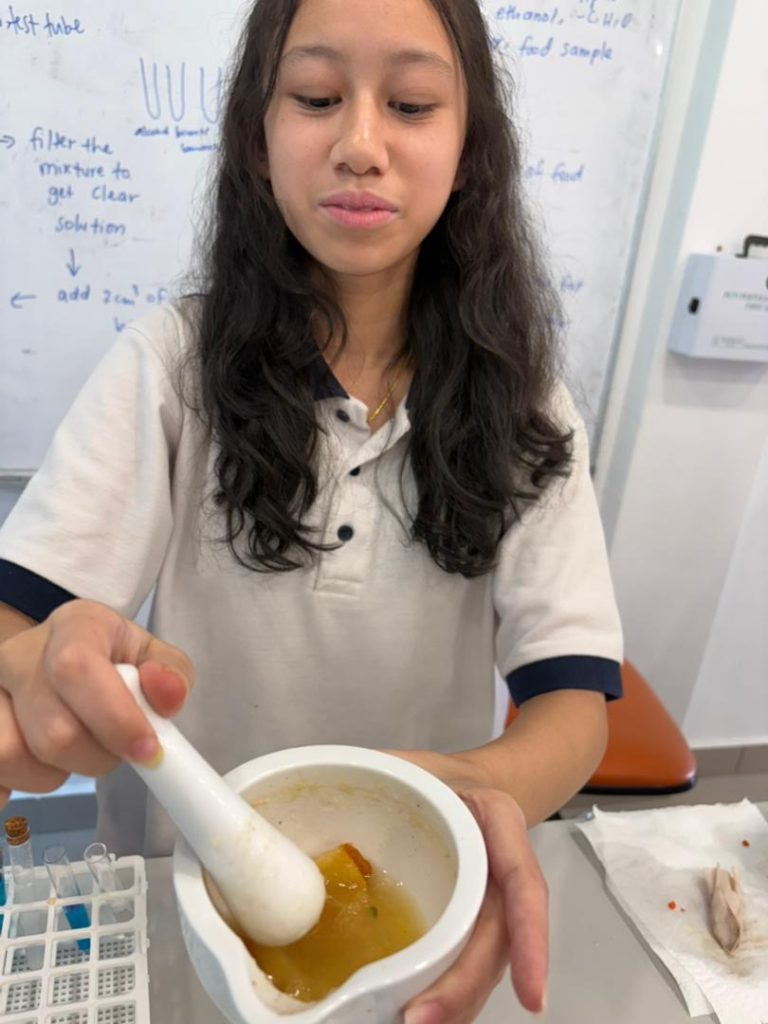
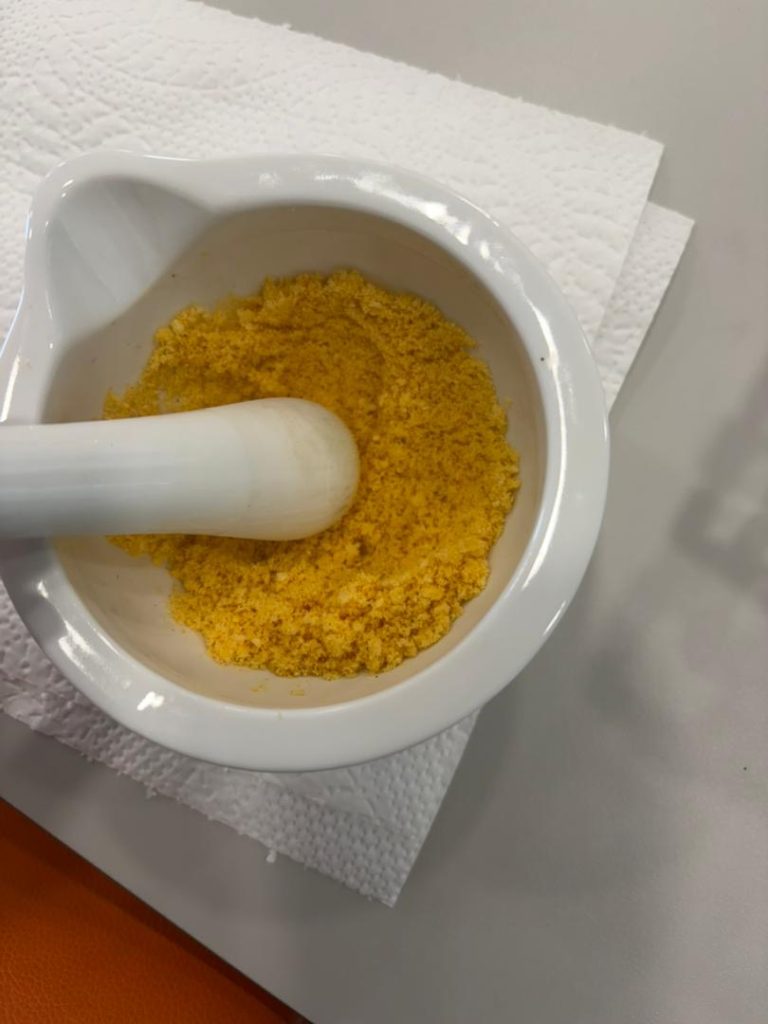
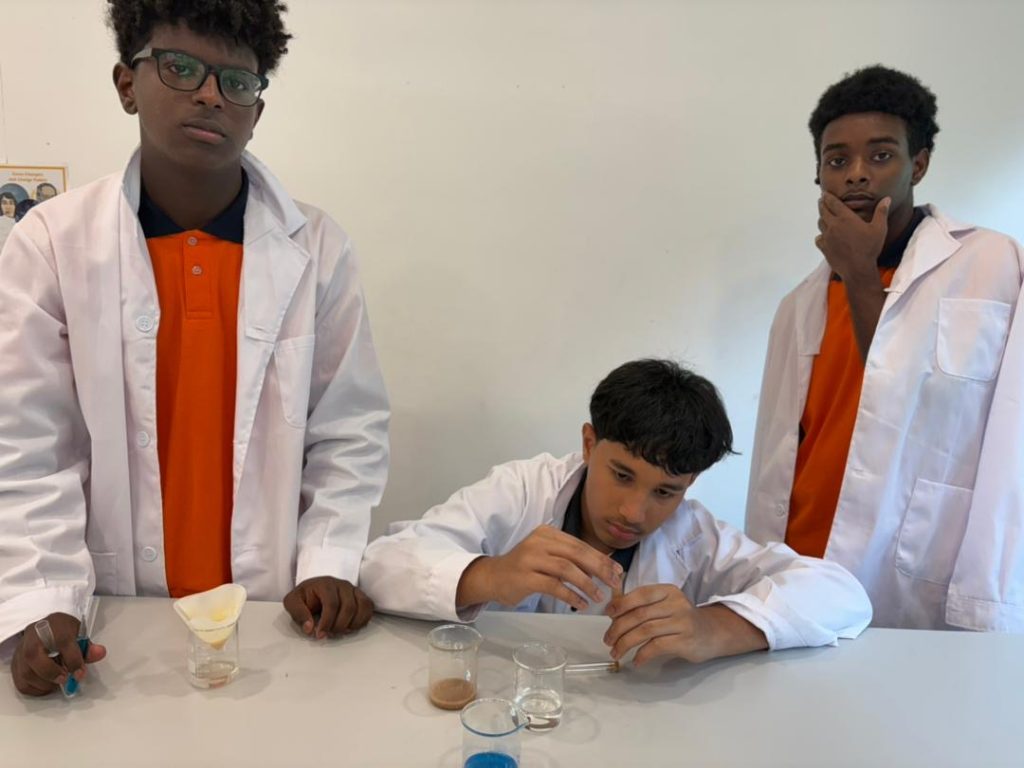
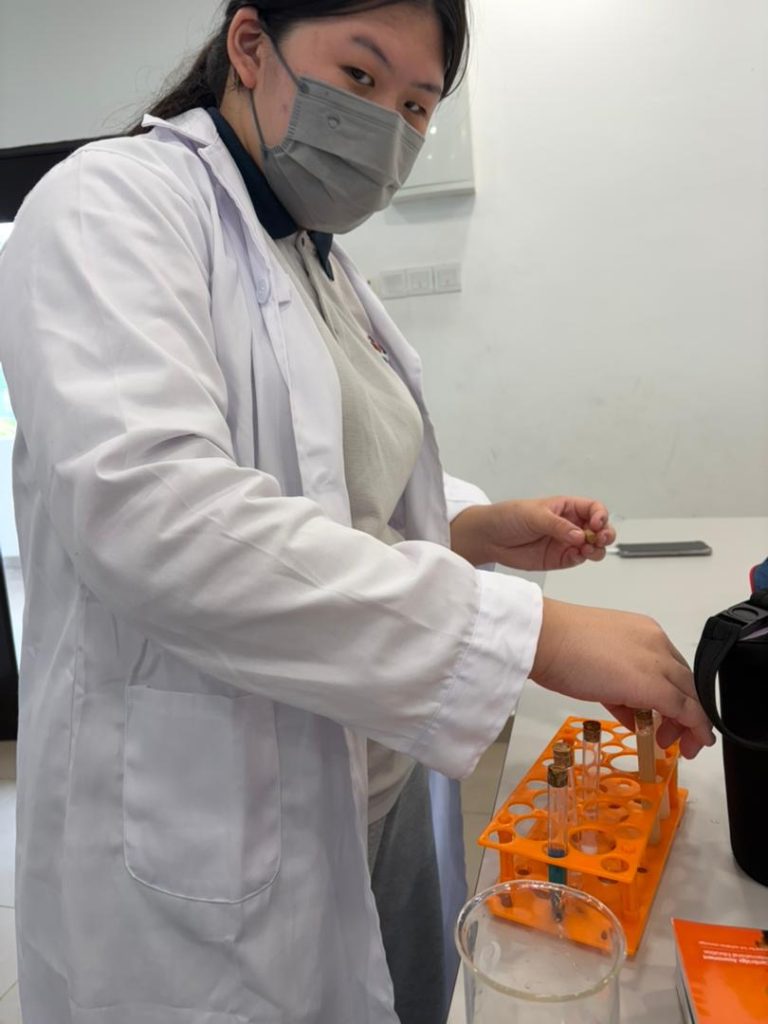
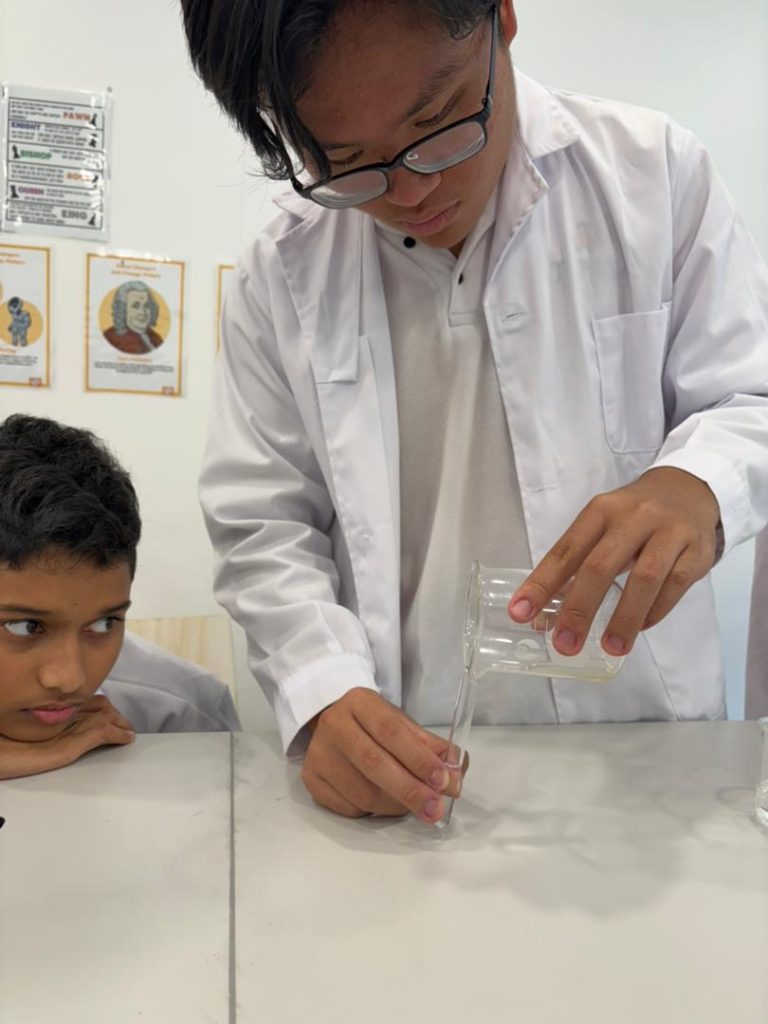
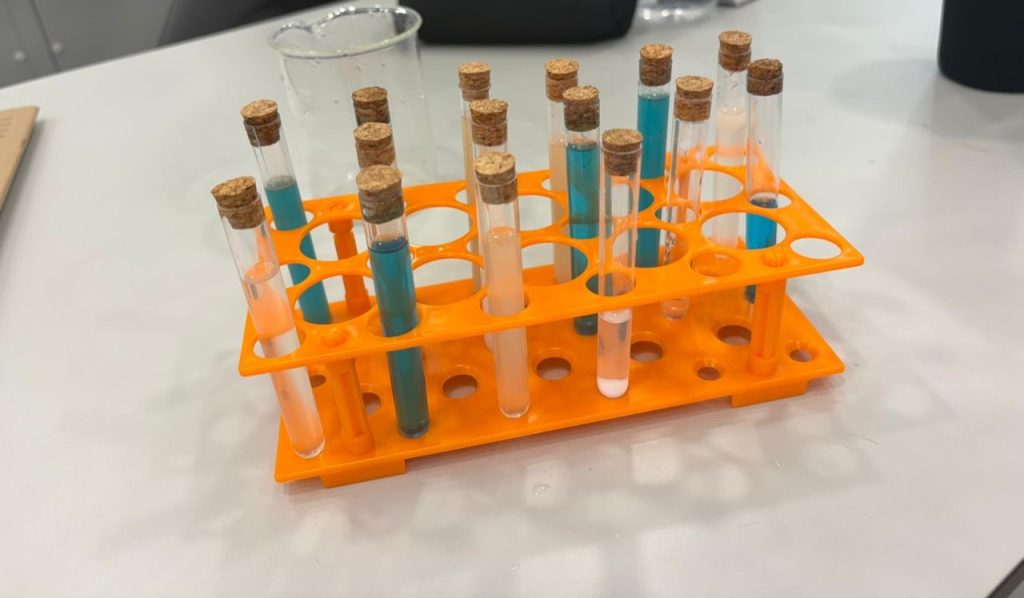
During the experiment, students observed how pectinase acts on substances found in orange peel. At the start, the mixture appeared thick and sticky due to pectin, a natural compound that helps plant cells stay firm.
As the investigation progressed, students noticed an exciting change:
✅ The mixture gradually became less thick
✅ The liquid flowed more easily
These observations showed clear evidence that the enzyme was actively breaking down pectin — demonstrating enzyme activity in real time!
Moments like these allowed students to witness science beyond textbooks, transforming theoretical knowledge into visible results.

🔬 Learning Beyond the Classroom
Through this activity, students strengthened their understanding of key IGCSE Biology concepts such as:
- Enzyme specificity
- Biological catalysts
- Factors affecting enzyme activity
More importantly, they developed essential scientific skills including observation, analysis, and critical thinking.
🌍 Science in Everyday Life
Students were excited to learn that pectinase is not only used in laboratories but also plays an important role in industries such as:
- Fruit juice production
- Wine making
- Coffee processing
- Food texture improvement
It was a great reminder that science is happening all around us — even in the drinks we enjoy daily!
✨ A Proud TPIS Moment
At TPIS, we believe meaningful learning happens through experience. This recent enzyme investigation gave our IGCSE students the opportunity to think, question, and explore like real scientists — sparking curiosity and deepening their appreciation for Biology.
We look forward to many more engaging scientific discoveries ahead!